How to Improve in Reaction-Based Games
Reaction games are not only about speed. The most consistent players leave themselves space, look ahead, and repeat one useful habit at a time. Start by learning where danger appears, then focus on moving early instead of making a late rescue. When the screen becomes crowded, clear positioning is usually more valuable than a risky reward. Use the first attempt as a map of the game's rhythm, then replay with one specific improvement in mind.
React earlier, not just faster
The biggest improvement in reaction games often comes from acting earlier rather than moving faster. Instead of waiting until an obstacle reaches your character, watch where the danger is forming. This gives you time to choose a lane, prepare a jump, or avoid a risky reward. Fast hands help, but screen reading matters more. Treat the first round as a map of where problems appear. On the next run, begin moving before the emergency is directly in front of you.
Reduce unnecessary movement
Many players lose reaction games by overcorrecting. A small movement is often enough, but holding a direction too long creates a second problem. Try to make short, intentional inputs. After dodging, return to a stable position instead of chasing every bonus. This works especially well in racing, runner, and action games where the screen keeps moving. The more stable your position, the easier it is to read the next threat.
Train one habit at a time
Do not try to improve everything in one attempt. Pick one habit: look ahead, avoid late jumps, stay centred, ignore risky rewards, or wait for a timing cue. Replay with only that habit in mind. Reaction games become easier when your brain can predict the next pattern instead of treating every moment as a surprise. A simple improvement plan also makes short sessions more useful because each attempt has a clear purpose.
Use device choice wisely
Reaction games can feel very different across devices. A keyboard may make lane changes sharper, while touch controls can feel natural for tapping and swiping. If a game has quick movement across a wide area, desktop may be easier. If it has simple tap timing, mobile may be comfortable. When a reaction game feels unfair, test whether the problem is the game itself or the control surface you are using.
Common mistakes to avoid
The most common mistake with this topic is choosing a game only because the title looks familiar. A better approach is to match the game to your device, your available time, and the kind of attention you want to spend. Visitors should avoid opening several play screens at once, ignoring the detail notes, or judging a game only by the first few seconds. For how to improve in reaction-based games, the useful habit is to read the page first, start with one simple goal, and decide after the first attempt whether the controls and pace fit the moment.
Mobile and desktop considerations
The same H5 game can feel different on phone, tablet, and desktop. Mobile works best for tapping, swiping, matching, styling, and short reaction patterns. Desktop is usually better for games with wide routes, precise aiming, quick keyboard input, or crowded screens. Tablet sits between those experiences and can be a strong choice for puzzle and creative titles. Before assuming a game is poor, consider whether the device is creating the friction. VGEFG keeps these notes separate from the play screen so visitors can choose more deliberately.
Recommended VGEFG route
A practical route is to start with one guide, open two or three related detail pages, and compare their goals before playing. Good starter titles from the selected library include Filled Glass 2 No Gravity, MONSTERS JUMPER, Make A Roller Coaster. Read the overview and editor notes, then choose the game whose challenge sounds clearest. After playing, return to the category page or Editor Picks page to find a similar title with a slightly different rhythm. This turns the site into a guided library rather than a list of unrelated play buttons.
How to use this guide
Use this guide as a decision tool rather than a rulebook. Start with the section that matches your current question, then compare it with one category page and one game detail page. If the guide discusses device comfort, test a mobile-friendly game first. If it discusses mood or attention, choose a title whose overview uses the same kind of language. This pattern gives each visit a clear path: read, compare, play, and return with a better idea of what to try next.
Quick checklist
- Choose a game that matches your device and available time.
- Read the detail page before opening the play screen.
- Use the first round to learn controls, timing, and the main goal.
- Switch categories when the current game no longer fits your mood.
Where to go next
Use the related game notes below to compare different play styles, then open a detail page when you want a specific goal, control summary, editor notes, and strategy tips before launching the play screen.
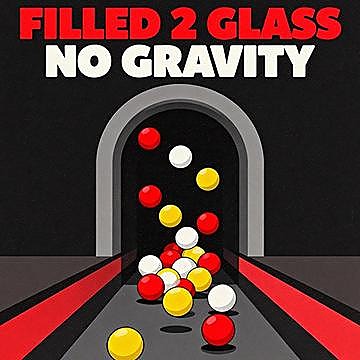
A new session of Filled Glass 2 No Gravity begins with a simple objective, then asks you to build confidence through logic, observation, and clean.
Puzzle
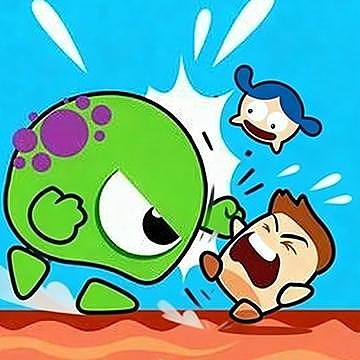
In MONSTERS JUMPER, the smallest choices can matter most: this casual game is built around reaction speed and route reading. Jump and bounce through.
Casual
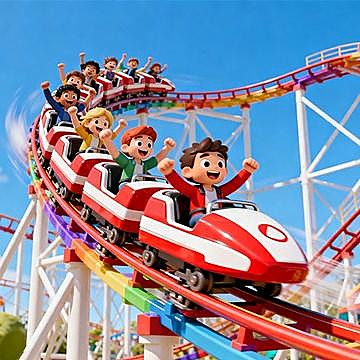
Make A Roller Coaster gives players a focused girls challenge where creative choices, task order, and relaxed completion determine how smoothly a round.
Girls

The appeal of Run Fast comes from its balance of accessible controls and movement control, timing, and fast recovery. Run as fast as you can in this.
Racing
