Why Creative Games Work Well for Relaxed Play
Creative browser games are useful when you want a goal without heavy pressure. Styling, cooking, decorating, and task games give players a clear sequence while still leaving room for personal choices. The best way to enjoy them is to finish the required step first, then use optional choices to refine the final result. These games are especially comfortable on touch screens because they often rely on selecting, arranging, and comparing instead of rapid reactions.
Creative games are still goal-based
Creative games may feel relaxed, but the best ones still have a clear objective. You might style a character, prepare food, decorate a scene, build an object, or complete a sequence of tasks. The fun comes from having a guided structure with room for choice. This makes creative games useful for players who want a calmer session without losing direction. A good detail page should explain the main task so visitors know whether the game is about styling, cooking, arranging, or simulation.
Finish required steps first
The easiest way to enjoy creative games is to complete the required task before spending time on optional details. If the game asks for a look, recipe, room, or object, follow the main steps first. Once the core task is complete, use optional choices to refine the result. This avoids the common problem of getting lost in small decisions before the game has shown its full structure.
Use comparison as part of play
Creative games often reward comparison. Try one color, accessory, decoration, or arrangement, then pause and compare it with another. The goal is not always a perfect score; sometimes the satisfaction comes from seeing how each choice changes the final result. This style works well on touch screens because selecting and adjusting elements usually feels natural. It also suits short sessions because progress is visible at every step.
Choose creative games for calmer moments
When action games feel too busy and puzzles feel too demanding, creative games can provide a comfortable middle ground. They still give you something to complete, but the pressure is lower. This makes them a strong choice for relaxed breaks, younger players with supervision, or anyone who wants a game that feels expressive rather than competitive.
Common mistakes to avoid
The most common mistake with this topic is choosing a game only because the title looks familiar. A better approach is to match the game to your device, your available time, and the kind of attention you want to spend. Visitors should avoid opening several play screens at once, ignoring the detail notes, or judging a game only by the first few seconds. For why creative games work well for relaxed play, the useful habit is to read the page first, start with one simple goal, and decide after the first attempt whether the controls and pace fit the moment.
Mobile and desktop considerations
The same H5 game can feel different on phone, tablet, and desktop. Mobile works best for tapping, swiping, matching, styling, and short reaction patterns. Desktop is usually better for games with wide routes, precise aiming, quick keyboard input, or crowded screens. Tablet sits between those experiences and can be a strong choice for puzzle and creative titles. Before assuming a game is poor, consider whether the device is creating the friction. VGEFG keeps these notes separate from the play screen so visitors can choose more deliberately.
Recommended VGEFG route
A practical route is to start with one guide, open two or three related detail pages, and compare their goals before playing. Good starter titles from the selected library include Filled Glass 2 No Gravity, MONSTERS JUMPER, Make A Roller Coaster. Read the overview and editor notes, then choose the game whose challenge sounds clearest. After playing, return to the category page or Editor Picks page to find a similar title with a slightly different rhythm. This turns the site into a guided library rather than a list of unrelated play buttons.
How to use this guide
Use this guide as a decision tool rather than a rulebook. Start with the section that matches your current question, then compare it with one category page and one game detail page. If the guide discusses device comfort, test a mobile-friendly game first. If it discusses mood or attention, choose a title whose overview uses the same kind of language. This pattern gives each visit a clear path: read, compare, play, and return with a better idea of what to try next.
Quick checklist
- Choose a game that matches your device and available time.
- Read the detail page before opening the play screen.
- Use the first round to learn controls, timing, and the main goal.
- Switch categories when the current game no longer fits your mood.
Where to go next
Use the related game notes below to compare different play styles, then open a detail page when you want a specific goal, control summary, editor notes, and strategy tips before launching the play screen.
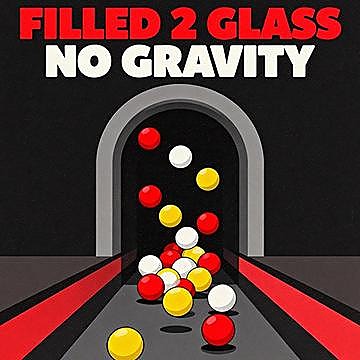
A new session of Filled Glass 2 No Gravity begins with a simple objective, then asks you to build confidence through logic, observation, and clean.
Puzzle
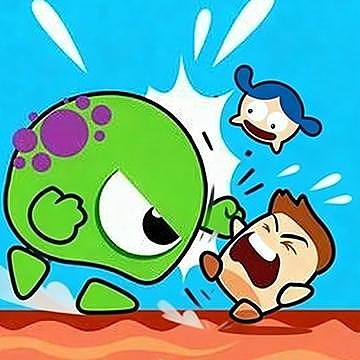
In MONSTERS JUMPER, the smallest choices can matter most: this casual game is built around reaction speed and route reading. Jump and bounce through.
Casual
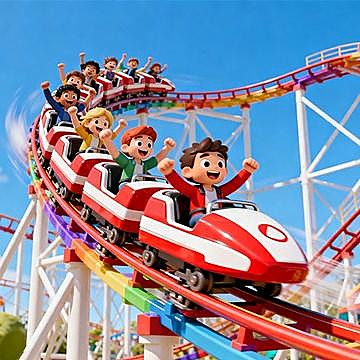
Make A Roller Coaster gives players a focused girls challenge where creative choices, task order, and relaxed completion determine how smoothly a round.
Girls

The appeal of Run Fast comes from its balance of accessible controls and movement control, timing, and fast recovery. Run as fast as you can in this.
Racing
