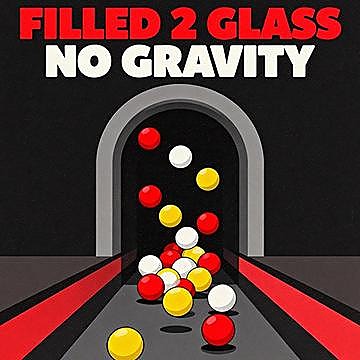
Filled Glass 2 No Gravity
A new session of Filled Glass 2 No Gravity begins with a simple objective, then asks you to build confidence through logic, observation, and clean.
 VGEFG
VGEFG
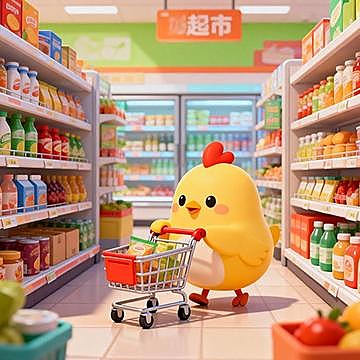
In Triple Goods Sort, the smallest choices can matter most: this puzzle game is built around logic, observation, and clean step-by-step decisions. Sort three types of goods in this satisfying puzzle game. Organize items, match categories, and complete sorting challenges. Use logic to arrange products and solve increasingly difficult levels. Read the board before committing, leave room for later matches, and use each move to improve the next option. The challenge grows from the way the goal, obstacles, and available choices interact during play. That combination keeps the experience approachable for a first play while still giving returning players something to.
Triple Goods Sort is included in the VGEFG selected collection because it gives players a clear objective and a distinct play rhythm. The game fits players looking for logic, observation, and clean step-by-step decisions, with a setup that can be understood quickly but still rewards a better second attempt. Before starting, read the core goal, notice how the screen signals progress, and decide whether the round is asking for speed, timing, planning, or careful placement. Look over the full board before your first move, because early shortcuts often block better solutions later. This makes the game suitable for a short browser session while still giving returning players something practical to improve.
For Triple Goods Sort, the first useful step is learning how the screen signals progress and danger. The game develops through logic, observation, and clean step-by-step decisions. Study the board, choose the safest first move, and keep space open for later pieces or matches. Watch for the main success condition before spending time on optional points or effects.
When starting Triple Goods Sort, focus on the information nearest to the objective before chasing optional rewards. The central skill is logic, observation, and clean step-by-step decisions. Look over the full board before your first move, because early shortcuts often block better solutions later. A better result often comes from a calmer opening rather than a faster one.
The strongest part is how each move changes the next choice. It is better to pause before the first action than to rush into a board that later becomes blocked.
Use Triple Goods Sort as a focused casual session rather than opening several games at once. The first attempt should be treated as a setup round: learn the visual cues, test the control response, and notice which mistake ends progress most often. On phones and tablets, begin with a slower first round so taps, swipes, or simple timing cues feel predictable before you chase a better result. If the game feels too fast or crowded, return to the detail page and compare it with the related picks below. That comparison helps you choose whether to replay for improvement, switch to a calmer category, or try a game with a similar goal but a different rhythm.
The replay value in Triple Goods Sort comes from making the next attempt more deliberate than the last one. After a first run, choose one small improvement: cleaner timing, better route reading, fewer rushed inputs, or a more careful use of the main mechanic. This keeps the page useful even for a simple H5 game because visitors can return with a practical goal instead of treating the play screen as a one-time click.
The reason to keep this game is not only its genre label, but the way it helps players understand the challenge before committing to a longer session. For puzzle players, the value is in reading the layout and using the first round to identify the rule that controls later choices.
A board-led puzzle built around reading the full layout, protecting useful space, and making one decision at a time. Sort three types of goods in this satisfying puzzle game. Organize items, match categories, and complete sorting challenges. Use logic to arrange products and solve increasingly difficult levels.
Before moving a piece or clearing a match, look for the part of the layout that will become hardest to reach later. Look over the full board before your first move, because early shortcuts often block better solutions later.
Triple Goods Sort suits players looking for logic, observation, and clean step-by-step decisions. It works best as a focused short session: take a first run to understand the rule set, then return with a clearer plan for the next attempt.
A new session of Filled Glass 2 No Gravity begins with a simple objective, then asks you to build confidence through logic, observation, and clean.
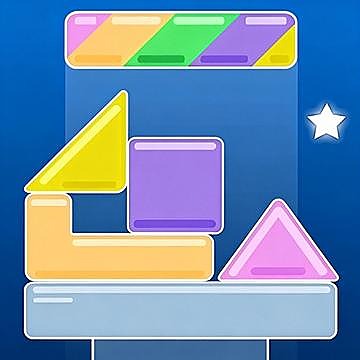
Geometry Tower turns logic, observation, and clean step-by-step decisions into the main challenge, giving each round a clear goal and a different route to.

In Circles Target, the smallest choices can matter most: this puzzle game is built around logic, observation, and clean step-by-step decisions. Hit circle.

Bubble Cat puts you in a compact game loop where logic, observation, and clean step-by-step decisions are more important than random rushing. Help cute.